If there’s one thing that’s sure in the world of electrical supplies, it’s that you’ll always find yourself out of supplies just when you thought you had enough for a current job. With the diversity to be found in the shape, structure, and styling of residential, commercial, and industrial building plans, you can never fully know exactly what you’ll need before you get your hands on-site. With that in mind, there are some steps you can take when stocking up that will help ensure you’re the most prepared you can be. This guide will help you stock up on electric wire cable before every job, so you can get to work stress-free.
Step One: Get Colorful
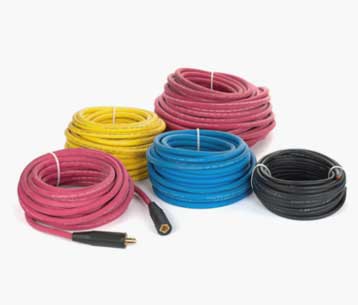
No job will go smoothly if you can’t tell your wires apart from one another. Not only will uniformly colored electric wire cable make the job at hand more difficult, but it will also make future repairs considerably more difficult. Make sure you plan to have multiple colors of cable on hand before every job. You’ll thank yourself when you discover your job goes faster and easier than if you’d been without them.
Step Two: Insulate and Flex
In the preparation process for any wiring job, it’s easy to lose track of how well your electric wire cable will fit in the spaces you have planned for it. Because the type of cable insulation you need for each job is such an important factor, many people overlook the fact that tougher insulation means less flexibility. If you’ll be working in tight quarters with limited space for laying cable, you could find yourself unable to flex heavily insulated cable in the way you need to.
Make sure you know the types of cable insulation that are appropriate for the space you’re working in so that you can have a range of options. Buying highly-insulated wire for a location that doesn’t require it could cost you more money and make laying the wire more difficulty.
Step 3: Always Buy Extra
There’s almost nothing worse than getting halfway through a job only to discover that you don’t actually have all the wire you need. There are all kinds of unpredictable factors that can serve as an obstacle to a particular job. For example, if you’ve measured out 25’ of electric cable wire in advance, but you encounter a beam in between your starting point and your destination that you hadn’t accounted for, you might find that your cable comes short of the final connection in your circuit. To avoid this, always make sure you have more cable on hand than you initially predict. You can always shorten a cable, but lengthening one just isn’t realistic or practical on the job site.
If you’d like to learn more about electrical supplies, wires, and specialty cables, EWCSWire is the place for you. Whether you’re looking for welding cables, alarm cables, or marine system wires, you’ll find that you’re in good hands. Contact their professional team today!
No job will go smoothly if you can’t tell your wires apart from one another. Not only will uniformly colored electric wire cable make the job at hand more difficult, but it will also make future repairs considerably more difficult. Make sure you plan to have multiple colors of cable on hand before every job. You’ll thank yourself when you discover your job goes faster and easier than if you’d been without them.
Step Two: Insulate and Flex
In the preparation process for any wiring job, it’s easy to lose track of how well your electric wire cable will fit in the spaces you have planned for it. Because the type of cable insulation you need for each job is such an important factor, many people overlook the fact that tougher insulation means less flexibility. If you’ll be working in tight quarters with limited space for laying cable, you could find yourself unable to flex heavily insulated cable in the way you need to.
Make sure you know the types of cable insulation that are appropriate for the space you’re working in so that you can have a range of options. Buying highly-insulated wire for a location that doesn’t require it could cost you more money and make laying the wire more difficulty.
Step 3: Always Buy Extra
There’s almost nothing worse than getting halfway through a job only to discover that you don’t actually have all the wire you need. There are all kinds of unpredictable factors that can serve as an obstacle to a particular job. For example, if you’ve measured out 25’ of electric cable wire in advance, but you encounter a beam in between your starting point and your destination that you hadn’t accounted for, you might find that your cable comes short of the final connection in your circuit. To avoid this, always make sure you have more cable on hand than you initially predict. You can always shorten a cable, but lengthening one just isn’t realistic or practical on the job site.
If you’d like to learn more about electrical supplies, wires, and specialty cables, EWCSWire is the place for you. Whether you’re looking for welding cables, alarm cables, or marine system wires, you’ll find that you’re in good hands. Contact their professional team today!
Comments
Post a Comment