Boats, ships and anything that spends time in the water can be notorious for electrical problems. After all, water is one of the most damaging things for electronic components and engineers have labored for a long time to solve problems. These days, it is simpler than ever to maintain the electrical system of your boat, but when something does go wrong, you need an expert to help you identify the problem and make sure it can be fixed in a safe and effective way.
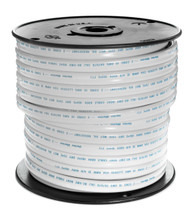
When it comes to boat battery systems, cables will need to be replaced from time to time. The number one enemy of boat battery cables is corrosion. Corrosion occurs when exposure to elements affects the copper cable degrades it over time. Using Heavy Duty Tinned Copper Lugs and the proper Double Wall Adhesive Lined Heat Shrinkable Tubing help eliminate this process and higher quality cables will also be tin-plated to ensure they are able to resist this factor.
There are a few simple things you can do to check your boat battery and boat battery cables to ensure they will last. First, listen to your boat. The sound of a dying or struggling battery is an unmistakable weak start that will clue you in if something is going wrong. Make sure to keep your ears open every time you start your boat and look out for the signs.
Take the time to bend your cables as well. If they flex smoothly, you are good to go, but if they crackle and are stiff and resistant, you may need to replace them. Any cable that behaves this way is likely the source of your problem.
Be sure to check your voltmeter as well. If you are putting out more than the specified amount, you are in danger of overheating and damaging your boat battery. Use common sense and if you see that you are outputting too much voltage, run more tests to identify the problem.
Learn how to test your battery as well using a multimeter to measure the resistance. Too much resistance means you are on a course for trouble. Take the time then to identify the source of the issue and resolve it before you damage your boat.
When it comes to boat battery cables, batteries or any other boating electronic components, we are here to serve you. At EWCSWire, our experts are ready to help you with any electronic issue your boat may encounter and get you back on the water as soon as possible. Find the highest quality cables in a variety of gauges and colors to get your boat up and running as quickly as possible. With our years of knowledge and experience, we can help you identify your problem and get you back to fishing, sailing, or relaxing in a snap.
There are a few simple things you can do to check your boat battery and boat battery cables to ensure they will last. First, listen to your boat. The sound of a dying or struggling battery is an unmistakable weak start that will clue you in if something is going wrong. Make sure to keep your ears open every time you start your boat and look out for the signs.
Take the time to bend your cables as well. If they flex smoothly, you are good to go, but if they crackle and are stiff and resistant, you may need to replace them. Any cable that behaves this way is likely the source of your problem.
Be sure to check your voltmeter as well. If you are putting out more than the specified amount, you are in danger of overheating and damaging your boat battery. Use common sense and if you see that you are outputting too much voltage, run more tests to identify the problem.
Learn how to test your battery as well using a multimeter to measure the resistance. Too much resistance means you are on a course for trouble. Take the time then to identify the source of the issue and resolve it before you damage your boat.
When it comes to boat battery cables, batteries or any other boating electronic components, we are here to serve you. At EWCSWire, our experts are ready to help you with any electronic issue your boat may encounter and get you back on the water as soon as possible. Find the highest quality cables in a variety of gauges and colors to get your boat up and running as quickly as possible. With our years of knowledge and experience, we can help you identify your problem and get you back to fishing, sailing, or relaxing in a snap.
Comments
Post a Comment