
How to Make Safe Choices When Buying Your Fire Alarm Cables

Whether you are undertaking your first project to renovate, upgrade, or install a fire alarm system or just need a refresher on the basics of purchasing fire alarm system, this article is written just for you. As with any safety system, adhering to government standards and established best practices can make a big difference in the peace of mind you feel regarding the safety of your building. Below you will find a handy list of things to keep in mind when you are buying new fire alarm cables.
1. Coloration Is Important
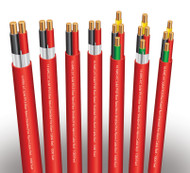
One of the most frequently overlooked aspects of wise cable purchasing is the coloration of insulation. While the color of a cable’s insulation obviously does not affect the quality of the cable itself, having lengths of variously colored cable can make a huge difference to your project on an organizational level.

For example, buying cable of different colors for different parts of your alarm system can make identifying future maintenance issues much easier. If you and your team can visually identify which wires are going where without having to trace them, it can shave hours or even days off the length of maintenance for your system.

2. Keep Your Spaces Separate
The ability to identify cables immediately by their coloration can also help improve the safety of the system in another, more important way: Keeping your spaces separate. In the laying of fire alarm cables, one of the most important things to keep in mind is that there are two different ratings of between-floor space in buildings. Plenum space is space that has access to freshly circulated air, requiring the use of “plenum rated” cables. Riser space is space that has no access to circulating air, usually as a result of being sealed off from areas that the air system in your building would normally bring air to.

While you can use plenum rated cable anywhere in your system (though this is more expensive,) you cannot use riser rated cable in plenum space. As a result of this fact, it is incredibly important to ensure that you keep your plenum rated cable and riser rated cable separate and well-identified, especially in the possibility that you undertake future renovations to your building’s interior. While the aforementioned choices in cable coloration are one way to help identify plenum or riser rated cables in your building, it is not the only way. What matters is that there is a system in place to quickly and reliably identify which cable types are used where.

3. Always Buy With Reliable Brands and Reliable Suppliers
Safety systems are no place to scrimp and save. When buying fire alarm cables you need the best, both from the manufacturer of your cable and from the supplier who will deliver it to you. Always look for sites that offer high-quality warranties and guarantees on their products, because a company that believes in their product should be willing to put their money where their mouth is.

When you’re ready to buy your cables, work with professionals. At www.EWCSwire.com, we stock certified, high-quality cables that will ensure your system works the way it is supposed to. Come see for yourself today!

Comments

Popular posts from this blog

Two Important Things You Need to Know About Marine Electrical Wire

Do you own a boat? Are you a member of a ship’s crew? Are you a ship’s mechanic or an electrician by trade? If you answer yes to any of these questions, you will at some point or other come across marine electrical wire in the course of your career. Something important you’ll need to keep in mind is that marine electrical cable and wire is not the same as standard building wire; nor is it the same as automotive battery wire. Here are the two big defining traits. Marine Electrical Wire Is Highly Flexible If there’s one thing you need to know about marine electrical wire (also sometimes called marine battery cable or marine battery wire) it’s that it’s highly flexible. This is accomplished by making these conductors out of very high strand counts of very thin conductors. Typically, marine battery wire conductors are made from pure, 100% copper and each conductor is very thin. Doing so makes the cable very flexible. Why is this necessary? Well, ...

Common Questions About Security and Alarm Cables, Answered

Not sure which type of security or alarm cable your facility or system needs? Hopefully, these answers to common questions can help! What cable is used for alarm systems? Security and alarm systems are usually wired with small-gauge wire specifically designed for the purpose. For instance, many security systems are wired with 12 and 18 AWG gauge alarm wire, as these low-voltage applications do not necessarily require larger, heavier wires. However, larger or wire gauges may be required depending on the circumstances. Also, there are some unique requirements for some systems. For instance, fire alarm cables must be made with specific insulation that is heat resistant and which does not produce toxic smoke when burned. What gauge cable do you need for alarm systems? Only your specific system requirements can answer that question, but often large wire gauges (that is, smaller wires) are used as security and alarm cables because of the low-voltage, low-current application. What is ...

The Need for Individual Tinning in Marine Battery Wire

You’re probably familiar with the Statue of Liberty’s pleasant, sea green color. While that seafoam green has become an endearing artistic calling card of that artistic fixture when she was new she was the color of a penny. Shiny, bright, and copper-clad - the same color as a penny or of marine electrical wire. The Statue of Liberty’s color changed due to oxidation that occurred due to contact with the elements, which is the exact same thing that will happen to copper electrical wire and cable when they are exposed. The problem is that electrical wire and cable are not pieces of art whereas statuary is. If copper wire tires turn green their conductivity will be severely adversely affected. Oxidized copper wire is actually a very poor, very inefficient conductor of electricity, and since vessels and other electrical infrastructure that uses them rely on them to keep the lights on the navigational equipment operational, it’s critical to protect marine grade batt...