
What To Look For In A Good 8 AWG Marine Battery Cable

If you are a seasoned mariner, you understand the importance of working with equipment you can count on. That being said, everybody knows that equipment needs to be replaced or repaired from time to time. This rule is pretty much universal and means that your battery cable will also need to be replaced at some point. Over time, no matter how you primarily use your boat, the battery cable will develop signs of wear and tear, and it is essential that you pay attention to particular signs that could indicate impending problems. Make sure you know when your cable needs to be changed. Once you know what signs can indicate a problem, you’ll need to know how to find a replacement cable that’s right for you. Read on for helpful information on how to identify a quality 8 AWG Marine Battery Cable.
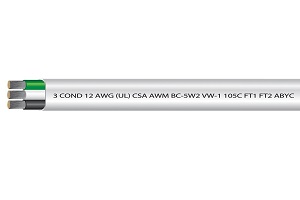

1. Durable, Marine-Grade Insulation

8 AWG Marine Battery Cables are known for their impressive insulation. These cables are designed and manufactured with durable, marine-grade insulation that protects the interior copper cables from the outside, sometimes harsh marine environment. When looking for a replacement marine battery cable, it is essential that you pay attention to the durability and quality of the insulation. UL and ABYC certified cables are the best way to go. If you purchase a UL and ABYC certified cable, you’ll have the peace of mind that only professionally tested and approved supplies can give you.
If you plan to use your boat in saltwater, you’ll want to opt for durable, more highly-rated battery cables to avoid any potential corrosion or other related types of damage.

2. Tinned-Copper Cables

“Tinning” is a process that involves coating the copper strands of a cable with a thin layer of tin before completely insulating with a durable, saltwater, oil, and gas resistant PVC insulation. With tinned cables, you’ll have a power system that is highly resistant to corrosion.

3. Flexibility

Flexibility is an essential component of cable viability. Ensuring that your 8 AWG Marine Battery Cable is flexible will prepare you for installation in your boat’s battery compartment, which will likely be a tight space. The best marine cables will have a higher copper strand count, creating added flexibility and ease of installation.

4. Warranties and Guarantees

You should always invest in equipment that has been tested and approved by professionals. Fortunately, there are a number of companies and equipment distributors that offer comprehensive warranties on their products, making it easier for you to invest in equipment that you can trust. With a warranty, not only will you know that your equipment is of the highest quality, you will also gain the peace of mind of knowing that your equipment is safe.

For more information on marine-related replacement supplies, or if you’d like to know how to find a replacement 8 AWG Marine Battery Cable that is right for you, visit www.ewcswire.com or call (800)-262-1958 today!

Comments

Popular posts from this blog

Two Important Things You Need to Know About Marine Electrical Wire

Do you own a boat? Are you a member of a ship’s crew? Are you a ship’s mechanic or an electrician by trade? If you answer yes to any of these questions, you will at some point or other come across marine electrical wire in the course of your career. Something important you’ll need to keep in mind is that marine electrical cable and wire is not the same as standard building wire; nor is it the same as automotive battery wire. Here are the two big defining traits. Marine Electrical Wire Is Highly Flexible If there’s one thing you need to know about marine electrical wire (also sometimes called marine battery cable or marine battery wire) it’s that it’s highly flexible. This is accomplished by making these conductors out of very high strand counts of very thin conductors. Typically, marine battery wire conductors are made from pure, 100% copper and each conductor is very thin. Doing so makes the cable very flexible. Why is this necessary? Well, ...

Common Questions About Security and Alarm Cables, Answered

Not sure which type of security or alarm cable your facility or system needs? Hopefully, these answers to common questions can help! What cable is used for alarm systems? Security and alarm systems are usually wired with small-gauge wire specifically designed for the purpose. For instance, many security systems are wired with 12 and 18 AWG gauge alarm wire, as these low-voltage applications do not necessarily require larger, heavier wires. However, larger or wire gauges may be required depending on the circumstances. Also, there are some unique requirements for some systems. For instance, fire alarm cables must be made with specific insulation that is heat resistant and which does not produce toxic smoke when burned. What gauge cable do you need for alarm systems? Only your specific system requirements can answer that question, but often large wire gauges (that is, smaller wires) are used as security and alarm cables because of the low-voltage, low-current application. What is ...

Things To Look Out For When Looking For Welding Cable For Sale

Are looking for a welding cable for sale online? If you are, then you must be aware of what they are designed for—not for an undemanding profession, that’s for sure. Welding cable is designed for electric arc-welding machines, it is a conductor that carries the power to fire up the metal rod so that a welding professional can get the work done. However, for a welding cable to properly perform what’s it supposed to do, it should meet the right standards for it to be strong enough to perform its job. Why Must a Welding Cable be Durable? This job is not for the weak and that’s not limited to the professional himself but the cable as well. It’s important to know that you’re getting nothing but the most durable and flexible welding cable there is. There’s a current passing through those wires after all. The last thing you need is for your welding cable to overheat, impeding a speedy welding process. You also don’t want your welding cable to ...