
Marine Battery Cables and Terminals: A Short Q&A

Is your boat’s electrical system on the fritz? Do you need to make a new connection to your boat’s batteries? Thinking of tackling the project on your own?
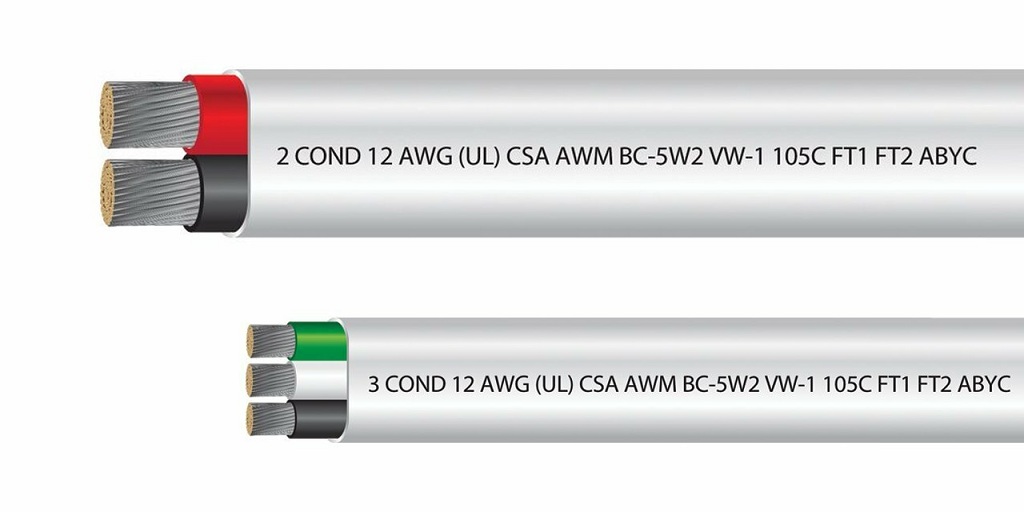
If you do, make sure you use the right tools and parts for the job - which includes dedicated marine battery wire for any wiring jobs or connections.

And in case you have any questions about marine battery cable and terminals, these are some of the most common.

What Is the Difference Between Marine Battery Wire and Regular Wire?
Both marine battery wire and regular wire and used to carry a current around an electrical system, in the case of battery cable, as leads for a battery.

However, marine battery wire has two specific attributes that make it more suitable for the application than normal wire.

One is that it is not wire at all, but cable. “Wire” is a bit of a misnomer, actually, since a wire is a single-stranded conductor. Cable, on the other hand, is made of many fine braided conductors. Marine battery cable is made with an exceptionally high conductor strand count to make it more flexible.

The other distinguishing feature of marine battery cable is that it is specially treated to resist corrosion (see below).

Why Does Marine Battery Wire Look Silver?
Marine battery cable, A.K.A. marine-grade cable, is typically made with a high number of tinned copper conductors - and each conductor features individual tin plating. This gives the copper a higher-than-average resistance against corrosion, which is a significant hazard in marine environments where corrosives like salt spray and battery acid could quickly inhibit an electrical circuit.

What Gauge Does Marine Battery Wire Need to Be?
The gauge of your marine battery cables and terminals should match. Therefore, if your battery terminals are 14 gauge terminals, your cables should be 14 gauge battery cables. Some battery terminals are capable of accepting a range of compatible gauge sizes, so consult the battery manufacturer if you have any questions. It is also important to remember that a larger battery cable offers less electrical resistance and higher current carrying capacity.

Can You Use Automotive Battery Wire instead of Marine Battery Wire?
It is inadvisable to use automotive battery cable in situations calling for the use of marine battery cables and terminals. While automotive battery cables are intended to be used as leads for batteries, they will either lack the flexibility or corrosion resistance necessary to make them serviceable in a marine environment.

Where Can I Buy Marine Battery Cables and Terminals?
If you’re looking for the highest quality equipment you can find for your next marine electrical project, look no further than EWCS Wire at EWCSWire.com.

All of their marine battery cables are UL-listed and many of them are USCG and ABYC approved. They are also protected against corrosion and fatigue and also feature oil, gasoline, moisture, acid, alkali, and abrasion resistance.

If you have any questions about marine battery cables and terminals, give their customer service team a call at 800-262-1598 for further assistance.

Comments

Popular posts from this blog

Common Questions About Security and Alarm Cables, Answered

Not sure which type of security or alarm cable your facility or system needs? Hopefully, these answers to common questions can help! What cable is used for alarm systems? Security and alarm systems are usually wired with small-gauge wire specifically designed for the purpose. For instance, many security systems are wired with 12 and 18 AWG gauge alarm wire, as these low-voltage applications do not necessarily require larger, heavier wires. However, larger or wire gauges may be required depending on the circumstances. Also, there are some unique requirements for some systems. For instance, fire alarm cables must be made with specific insulation that is heat resistant and which does not produce toxic smoke when burned. What gauge cable do you need for alarm systems? Only your specific system requirements can answer that question, but often large wire gauges (that is, smaller wires) are used as security and alarm cables because of the low-voltage, low-current application. What is ...

Two Important Things You Need to Know About Marine Electrical Wire

Do you own a boat? Are you a member of a ship’s crew? Are you a ship’s mechanic or an electrician by trade? If you answer yes to any of these questions, you will at some point or other come across marine electrical wire in the course of your career. Something important you’ll need to keep in mind is that marine electrical cable and wire is not the same as standard building wire; nor is it the same as automotive battery wire. Here are the two big defining traits. Marine Electrical Wire Is Highly Flexible If there’s one thing you need to know about marine electrical wire (also sometimes called marine battery cable or marine battery wire) it’s that it’s highly flexible. This is accomplished by making these conductors out of very high strand counts of very thin conductors. Typically, marine battery wire conductors are made from pure, 100% copper and each conductor is very thin. Doing so makes the cable very flexible. Why is this necessary? Well, ...

A Guide to Choosing Electric Wire Cable

If there’s one thing that’s sure in the world of electrical supplies, it’s that you’ll always find yourself out of supplies just when you thought you had enough for a current job. With the diversity to be found in the shape, structure, and styling of residential, commercial, and industrial building plans, you can never fully know exactly what you’ll need before you get your hands on-site. With that in mind, there are some steps you can take when stocking up that will help ensure you’re the most prepared you can be. This guide will help you stock up on electric wire cable before every job, so you can get to work stress-free. Step One: Get Colorful No job will go smoothly if you can’t tell your wires apart from one another. Not only will uniformly colored electric wire cable make the job at hand more difficult, but it will also make future repairs considerably more difficult. Make sure you plan to have multiple colors of cable on hand before every job. You’ll thank yourself when y...